
Abdominal wall hernias and obesity
What is an abdominal wall hernia?
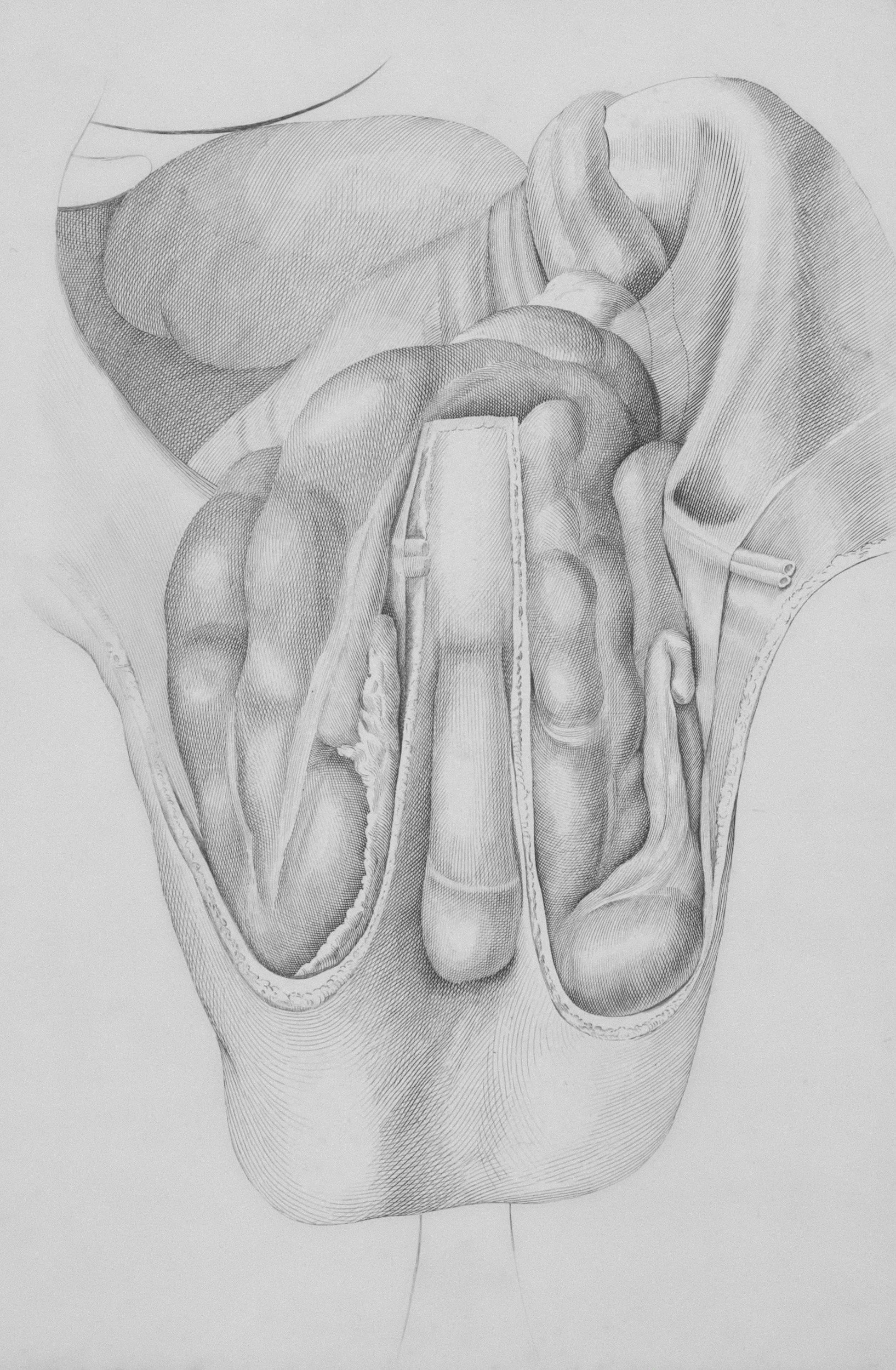
A hernia occurs when fat or bowel pushes through a weak spot in the abdominal wall. You may notice a bulge at the belly button, in the middle of the abdomen or along a previous surgical scar. If the bulge grows or hurts, have it assessed. An examination usually guides the diagnosis. Ultrasound or a CT scan may help plan treatment.
- Belly button
- Midline
- Surgical scar
Should I lose weight before surgery?
Higher body weight can increase the risk of wound problems and recurrence, particularly after repair of a hernia in a surgical scar. When there is time to prepare, weight management, good diabetes control and stopping smoking, where relevant, can help. Some hernias with few symptoms can be monitored. If a hernia grows, hurts or limits daily life, we will weigh the benefits of operating sooner against those of waiting.
- Weight management
- Diabetes control
- Stopping smoking
How is it repaired?
Repair can be done through an open incision or with keyhole surgery, depending on the size, location and previous operations. Many repairs use a mesh to strengthen the abdominal wall and reduce recurrence. At your appointment we will discuss recovery and possible complications, including infection, fluid build-up and recurrence.
- Open surgery
- Keyhole surgery
- Mesh when indicated
When should I seek emergency care?
Seek emergency care if the bulge becomes very painful and can no longer be pushed back, or if you develop severe pain with vomiting or abdominal swelling. The contents of the hernia may have become trapped.
- A very painful bulge that cannot be pushed back
- Severe pain with vomiting or swelling